Luigi A. Moretti

Building Wearable Mental Health Technology

MD • MSc Health Tech • PhD Candidate

Scroll to explore

From Clinical Medicine to Mental Health Innovation

I've watched people I care about struggle with mental health challenges in a system that struggles in providing adequate care in mental health. We have sensors tracking physiological responses and user activities 24/7, but mental health care barely uses this data. That gap felt solvable, and deeply personal. So I pivoted from clinical medicine to building the technology that could bridge it.

My path hasn't been linear: medical doctor → healthtech founder → PhD researcher. Each step taught me something the previous couldn't. Medicine showed me what patients actually need (not what technologists assume). Startups taught me how to build products people use (not just research prototypes). My PhD is letting me do both with rigor co-designing wearable emotion monitoring with patients, carers, and clinicians to ensure it's clinically valid and genuinely useful.

I blend competencies too often kept separate: clinical insight, technical execution, and product thinking. I know why cEDA sensors matter for emotion detection. I know why patients need context, not just numbers. I know why clinicians won't adopt tools that add friction to their practice. And I know how to translate research into products that pragmatically solve real problems.
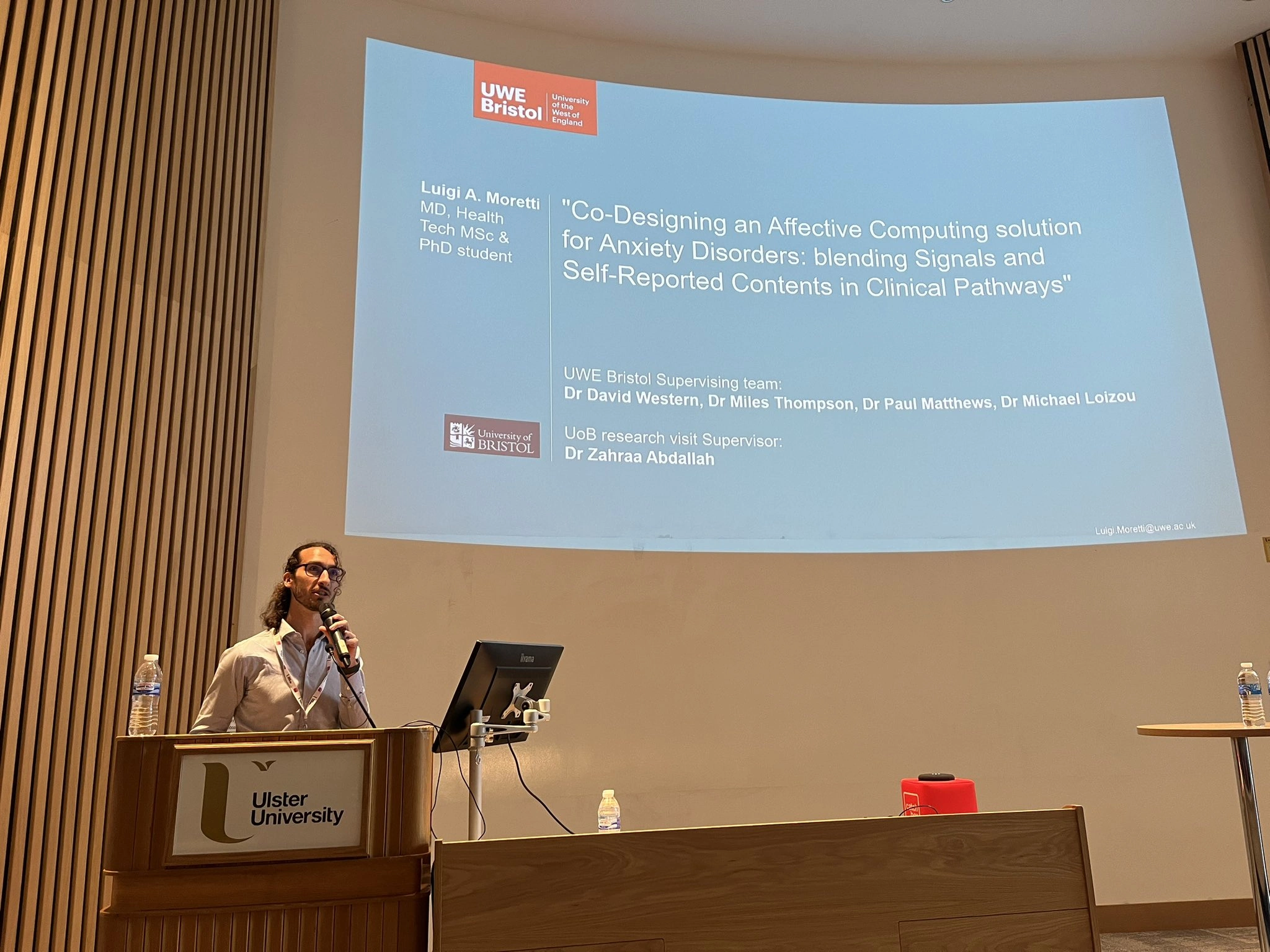
Luigi A. Moretti presenting MEMoPAD research on affective computing for anxiety disorders at Digital Mental Health Conference, Ulster University
🎤 Presenting MEMoPAD research at Digital Mental Health Conference, Ulster University - 2024
🧬 Multidisciplinary Medicine × Tech × Product
🎓 Evidence-Based Innovation Research-based products
💡 0→1 Builder Concept to deployed prototype
Current Focus

MEMoPAD Project

Multimodal Emotion Monitoring in Clinical Pathways for Anxiety Disorders

Building Wearable Emotion Monitoring for Anxiety Disorders

I'm developing a wearable emotion monitoring system using Google Pixel Watch 2 sensors (continuous electrodermal activity, heart rate, skin temperature) to help people with anxiety disorders understand their emotional patterns. The system captures real-world data and contextualizes it through mobile app interactions, providing insights for both patients and clinicians.

Co-designed with patients, carers, and NHS clinicians across 6+1 phases (5 completed), MEMoPAD ensures the technology is clinically valid, genuinely useful, and integrable into clinical pathways. This isn't just research, it's a functional prototype designed for real-world deployment.

The project bridges academic rigor with product thinking: published research validates the approach, while iterative co-design ensures people will actually use it. Currently recruiting for Phase V (implementation testing) and preparing thesis defense for Fall 2026.

Graduating Fall 2026. Exploring how to bring this technology to millions of users - whether through continued research, industry partnerships, or building a company.

💰
£7.5K
Funding Secured
NHS + University Grants
👥
19-25
Participants per Phase
Patients, Carers, Clinicians
🔄
5/7
Co-Design Phases
Completed (Phase V recruiting)
📬
350+
Newsletter Subscribers
Monthly project updates

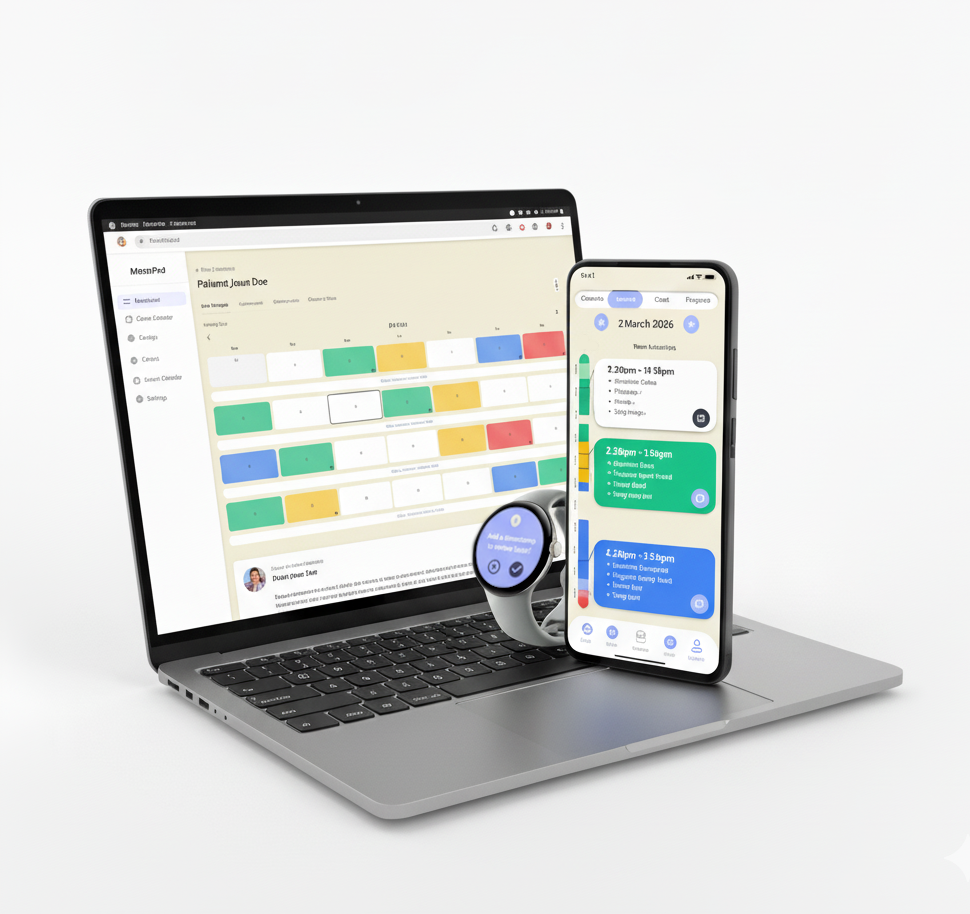
MEMoPAD Prototype: Patient interface showing sensor data visualization, emotion tracking, and contextual note-taking. Built through iterative co-design with real users.

Experience & Career Journey

From clinical medicine to health tech innovation. Each role taught me something the previous couldn't.

Associate Researcher

University of the West of England

HUG x Milbotix Sensory-Wearable Integration Study

October 2024 - February 2026 Current

Working on an independent research project exploring integration of sensory comfort devices (HUG by LAUGH®) and smart wearable sensors (Milbotix smart socks) for physiological and emotional regulation monitoring.

Project Ownership:

  • Research design: Defined research questions, methodology, participant protocols
  • Ethics & compliance: Prepared and secured ethics approval for multi-device human subjects research
  • Startup coordination: Managing partnership between two hardware startups + university requirements
  • Data strategy: Designing collection, analysis, and validation frameworks
Why this matters: Funded independent research role. Balancing startup speed (product timelines) with academic rigor (publishable results) - exactly the tension that exists in industry R&D teams.
Research Design Ethics & Compliance Stakeholder Management Data Collection Cross-functional Collaboration

Visiting Researcher

University of Bristol

MaVi Sponsored Research Visit

May 2024 - October 2024

Selected for competitive sponsored research visit focusing on affective computing implementation for wearable mental health applications. Funded by MaVi (Machine Learning and Computer Vision Research Group).

Research & Supervision:

  • Affective computing algorithm implementation for real-world wearable deployments
  • Co-supervised 2 MSc students on affective computing projects (1 resulting in accepted book chapter)
  • Collaborated with Dr Zahraa Abdallah on multimodal emotion recognition approaches
Impact: Transitioned affective computing for healthcare from conceptual research to implementable technical system. Gained experience optimizing ML models, while developing research mentorship skills.
Machine Learning Computer Vision Algorithm Implementation Research Supervision Cross-institutional Collaboration

PhD Researcher & Product Lead

University of the West of England

MEMoPAD Project

April 2023 - Present Graduating Fall 2026

Building wearable emotion monitoring system for anxiety disorders using Google Pixel Watch 2. Co-designing with patients, carers, and clinicians to ensure clinical utility and real-world viability.

Product Development:

  • Defined clinical problem: 1 in 10 UK adults have anxiety disorders, yet remain under-diagnosed due to reliance on self-report questionnaires and clinic snapshots
  • Technical implementation: Multimodal sensor fusion (continuous electrodermal activity, heart rate, skin temperature) with contextual data capture via mobile app
  • User research: Led 7-phase co-design process with 19-25 participants each (patients, unpaid carers, clinicians) to validate features and ensure interpretability
  • Prototyping: Building functional Android app, Wear OS Face, and clinician dashboard, iterating based on user feedback across 5 completed phases

Impact & Validation:

  • Published "Affective Computing in Anxiety Disorders: Rapid Literature Review" at HEALTHINF 2025
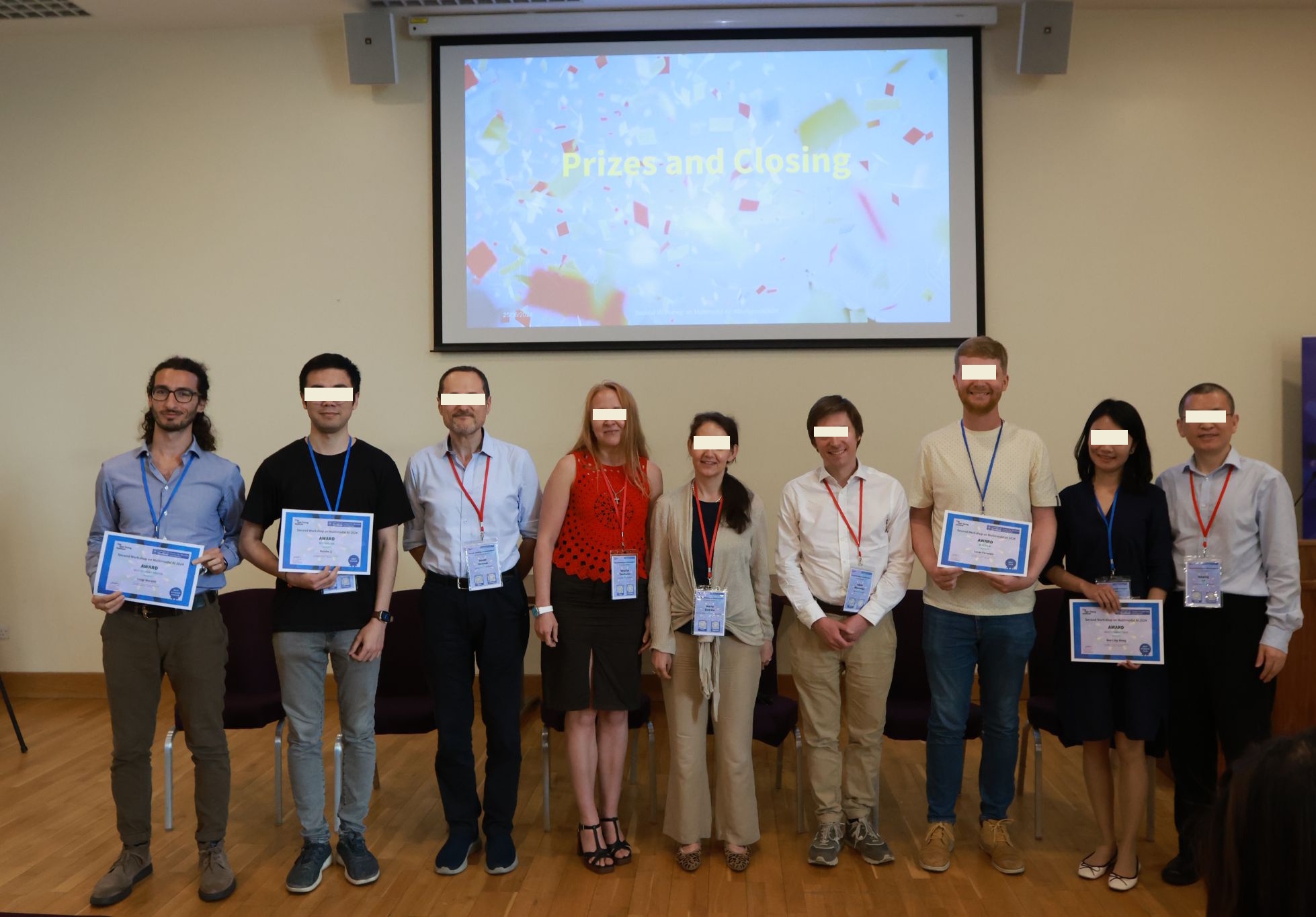
  • Won Best Student Poster Award at Multimodal AI Workshop (University of Sheffield / Alan Turing Institute)
  • Secured £6,500+ in competitive funding (NHS BNSSG ICB, UWE Bristol CATE grants)
  • Designed for clinical pathway integration with ethical approvals
  • Featured member: Experimental Psychology Society (EPS), Innovate Healthier Together Fellowship (NHS BNSSG)
Product Management User Research Wearable Technology Affective Computing Co-Design Methodology Prototyping Clinical Requirements Translation

Digital Health Research Consultant

La Sapienza University (Rome)

September 2020 - December 2020

Hired as digital health expert for gastroenterology research project developing 3D imaging solutions.

Contributions:

  • Translated clinical requirements into technical specifications
  • Realised 3D medical models and segmentations with novel techniques
  • Validated feasibility of proposed 3D segmentation approaches for surgical planning
  • Coordinated the work with a startup in charge of 3D printing the models
Digital Health 3D medical applications Medical Imaging Technical Consulting

Co-Founder & Product Lead

IntelliHearts - Healthcare Wearables Startup

November 2020 - September 2022

Built multi-class heart arrhythmia detection model first, and emotion recognition feature then, based on 1-lead ECG wearable. This project validated commercial demand and led to my PhD research direction.

0→1 Product Development:

  • Conceived and prototyped affective computing (emotion detection) feature to increase user engagement in cardiac monitoring device
  • Prepared technical documentation about product unique value proposition and specifications
  • Implemented real-time ECG signal processing algorithms for emotion state classification
  • Coordinated UI design efforts to enhance user experience

Go-to-Market:

  • Pitched to VCs and healthcare accelerators across Europe, US, and Asia
  • Secured letter of intent from Medical University of Lodz (Poland) for clinical trials
  • Negotiated partnership discussions with Asian wearable device manufacturer for hardware integration
  • Achieved top 10 placement in ADB/Agorize "COVID-19 Vaccine Safety Monitoring" competition
  • Semi-finalist at Webit 2021 conference
Key Insight: Emotion recognition feature generated more investor and user interest than core cardiac monitoring product, revealing untapped market need for mental health wearables. This discovery shaped my PhD research focus.
Product Strategy Biosignal Processing Startup Management Fundraising Go-to-Market Strategy

Medical Doctor

ASL Puglia - Regional Health Authority

COVID-19 Vaccination Hub

May 2021 - October 2021

Front-line clinical practice during pandemic peak. Managed up to 80 patient consultations daily in 12-hour shifts at region's largest vaccination center.

Clinical Insights for Digital Health Product Development:

  • Patient communication under uncertainty: Learned that addressing vaccine hesitancy requires empathetic scientific communication, not authoritative directives. Same principle applies to explaining wearable health data to anxious patients
  • High-throughput care challenges: Experienced why digital tools fail when they add friction; every extra tap or screen matters when serving 80+ people daily
  • Trust > Features: Technology adoption in healthcare depends on human connection and sense of trust first, technical capabilities second
This shaped MEMoPAD's design philosophy: Build tools that enhance (not replace) clinician-patient relationships, and never assume users will tolerate complexity just because it's "technically better."
Clinical Medicine Patient Communication Healthcare Operations

Co-Founder & Administrator

FabCraft / Climb3D - Digital Manufacturing Startup

January 2018 - December 2019

First entrepreneurial experience: Combined passion for rock climbing with 3D printing to create sustainable climbing holds.

Entrepreneurial Foundations:

  • Secured €30,000 EU grant (PIN - Pugliesi Innovativi, Apulia Region)
  • Market validation: Sold out bootstrapped MVPs within 6 months
  • Project leadership: Coordinated design, production, marketing, business planning
  • Offered to make the project open-source (2020), donating proceeds to NGO
Why this shaped my career: Learned that loving the problem space isn't enough; you need deep domain expertise to create meaningful solutions. This realization led me from climbing (hobby) → healthcare (impact). Every subsequent venture has been in health/biotech.
Entrepreneurship 3D Printing Grant Writing Market Validation

Achievements & Recognition

Funding secured, awards won, and milestones reached throughout the career journey so far.

💰

NHS BNSSG ICB Grant

£1,500 for PPIE activities

August 2025

💰

CATE Student Internship

Grant for Louis Robinson, recruited during a presentation, to support prototype development

June 2025

💰

CATE Public Engagement Fund

£3,000 from UWE Bristol

December 2024

💰

PhD Scholarship

3.5-year funding + £3,000 project expenses

April 2023

💰

PIN EU Grant

€30,000 for FabCraft startup

2018

💰

PassLaureati

Studentship for MSc fees + salary

2021

🏆

Best Student Poster Award

Multimodal AI Workshop (Sheffield / Alan Turing Institute)

June 2024

🏆

Research visit sponsorship

University of Bristol

May-Oct 2024

🏆

Top 10 ADB/Agorize Competition

COVID-19 Vaccine Safety Monitoring

2021

🏆

Webit 2021 Semi-finalist

IntelliHearts startup pitch

2021

🏆

StartCup Apulia 2019 winner

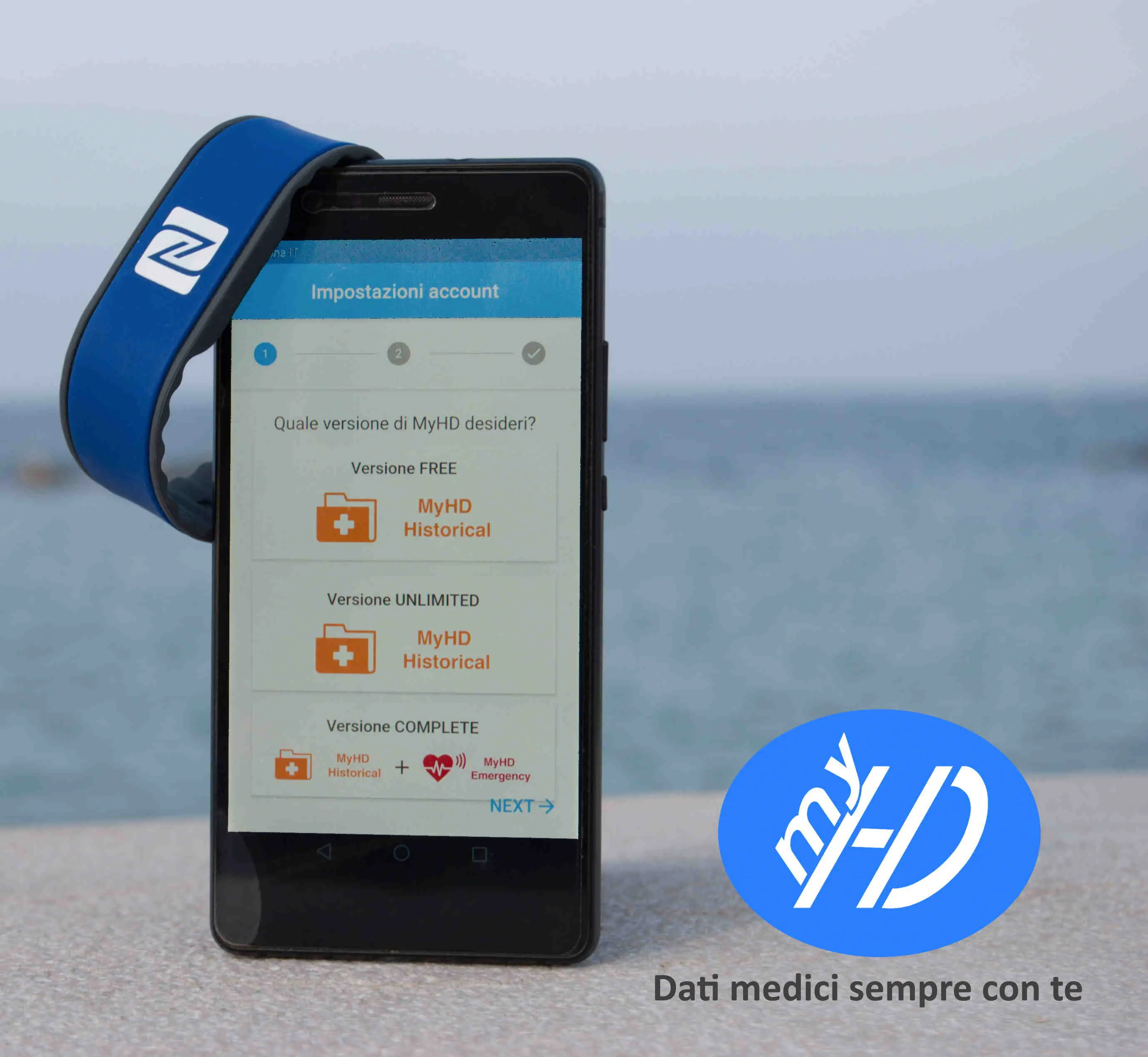
MyHealthData (MyHD) startup pitch

2019

🏆

Winner Hackathon Medical Device Design

PREDICT & BaLab: Mistral

2018

📄

Nature Machine Intelligence Community Paper

Towards deployment-centric multimodal AI beyond vision and language

October 2025

📄

BCS HCI 2025 Position Paper

Co-Designing Human-Centered AI Technologies Workshop

November 2025

📄

Pattern Recognition

AUCO ResNet: an end-to-end network for Covid-19 pre-screening from cough and breath

July 2022

📄

DSTNDS

An Approach using transformer architecture for emotion recognition through Electrocardiogram Signal (s)

June 2023

📄

CEUR WORKSHOP

A benchmarking study of deep learning techniques applied for breath analysis

June 2023

📄

BMJ Digital Health & AI

Clinical AI Scribes in primary care: accuracy, error severity and implications for clinical practice

September 2025

📄

HEALTHINF 2025 Publication

Affective Computing in Anxiety Disorders: Rapid Literature Review

February 2025

📄

DMHW 2024 Conference

2 abstracts published at Digital Mental Health Conference

June 2024

📄

Book Chapter (Forthcoming)

Co-supervised MSc student project on affective computing

2025

🎓

EPS Postgraduate Member

Experimental Psychology Society

January 2025

🎓

IHT Fellowship

Innovate Healthier Together (NHS BNSSG)

December 2024

🎓

HTH Researcher

Health Tech Hub, Bristol

October 2023

🎤

Digital Mental Health Conference

Presented MEMoPAD research at Ulster University

September 2024

🎤

2nd Multimodal AI Workshop

Presented MEMoPAD research at Sheffield University

September 2024

🎤

NIHR ARC West Presentation

Researcher Coffee Catch-up: Digital Solutions for Anxiety Disorders

July 2024

🎤

AI in Precision Psychiatry Workshop

Elizabeth Blackwell Institute & Bristol Neuroscience Network

May 2024

🎤

University of Aberdeen (BMVC 2023)

Invited Speaker: Emotion Recognition for Neurodegenerative Diseases

November 2023

🎤

Premio Nazionale dell'Innovazione (PNI 2019)

Italian National Startup and Research Competition

October 2019

Available Fall 2026

Let's Work Together

Graduating Fall 2026 and exploring what's next. Open to product management and research scientist roles in wearable health, as well as collaborative opportunities in digital mental health innovation.

Open To

  • 💼 Product Management roles in wearable health & mental health tech
  • 🔬 Research Scientist positions in affective computing & digital health
  • 🤝 Collaborative opportunities: co-design, healthtech startups, research partnerships

Preferred Locations

  • 🇬🇧 United Kingdom (Bristol-based, flexible)
  • 🇪🇺 European Union (NL, DE, etc)
  • 🇨🇭 Switzerland
  • 🇺🇸 United States